
It’s been one of those weeks at work where I read and watched a few disparate things on the web that on their own were interesting, but then suddenly they all came together to tell a bigger story. The first was a discussion on Arch Daily
between Jeffrey Kipnis and Steven Holl.
Very early on they discuss some issues that are very relevant to the common practices of RFPs in the exhibition and event
industry:
“At the moment we have these very ignorant architectural competitions in which no architects are on the jury. You have a bunch of business people who are trustees that have no knowledge about architecture at all.”
“Architecture is the single hardest discipline to convey any interest in to someone else because they have lived in buildings their whole life and they think they know them.
Let’s say you’re a student and you walk into a brain surgery class and the guy [professor] say “OK get going and I’ll help you along the way”. You’ll say no way.
If you walk into an architecture class and the guy says, “Design a house” . . . you say No Problem!”
It makes you realize that when an RFP comes in, does it actually contain information that allows you to understand how the client will judge the design solution on its merits or will it just come down to a pretty picture contest?
The second group of items I read were about the trend of crowdsourcing graphic design (see sites like 99designs, DesignCrowd and CrowdSpring).
The articles I read in Forbes and Wired were very insightful and also led to AIGA’s official position on spec work (in a nutshell, don’t do it). Over two paragraphs, the Forbes article very concisely highlights why crowdsourcing can miss the mark by not allowing designers to actually discover the fundamental design problem that needs to be addressed:
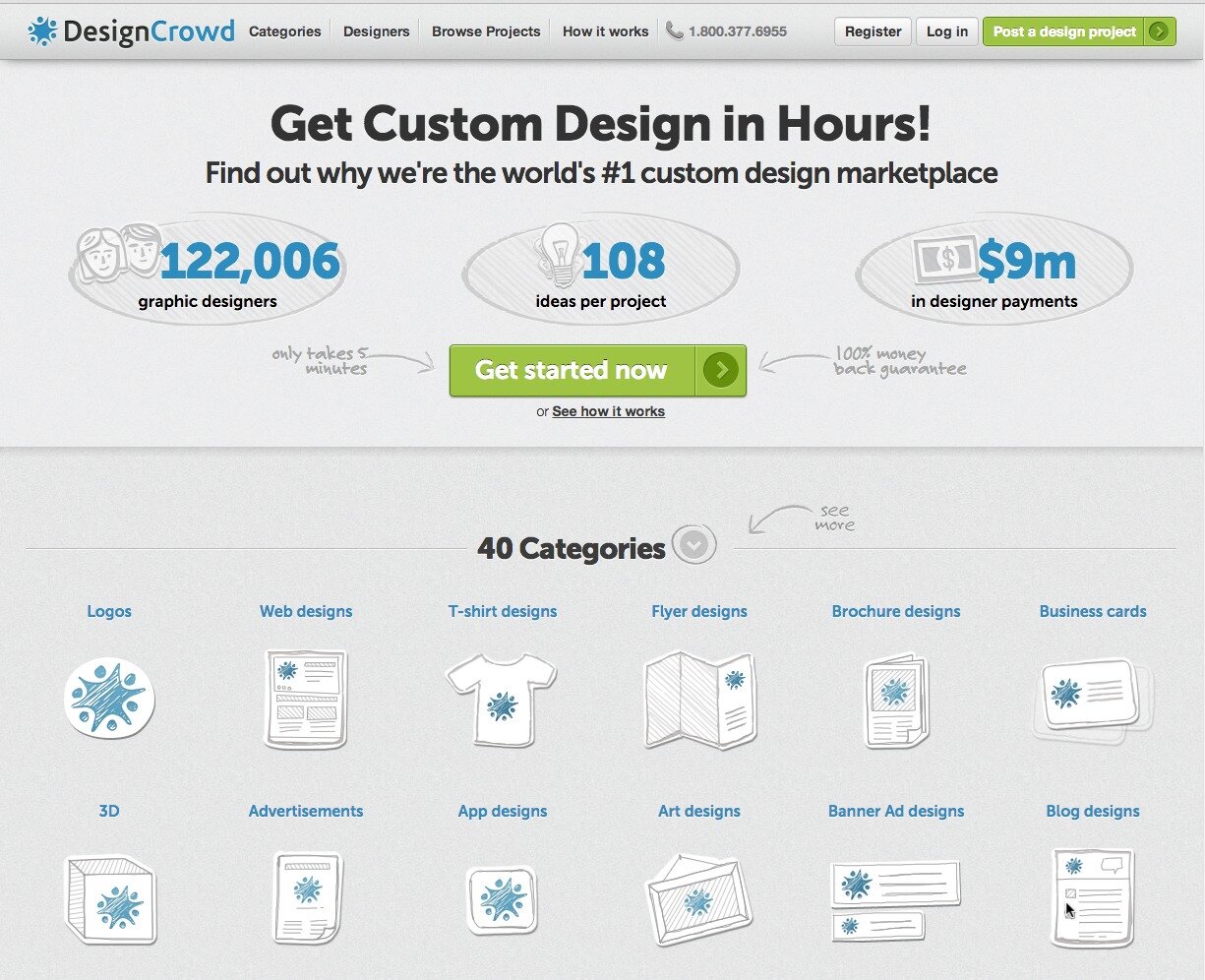
“The populist element is very appealing. Clients may be satisfied with that, but they’re losing out on the full experience of design. The initial back-and-forth process of consultation between client and designer is crucial to the design process.”
And then it hit me!
The people writing the speculative RFPs that we participate in are not
architects or branded experience designers so to the points raised on Arch Daily: How do they know what to ask for or what to look for in the results of the speculative competition?
This is then reinforced by the Forbes article, the entire RFP process (i.e. speculative work) often removes the initial consultative process of discovery, communication and research that leads to innovative design and innovative solutions because the client just says, “This is what I want, please proceed and return your solutions in a two weeks”.
For years, I’ve been wrestling with this personally and so has every company I have worked for. How do you have a concise discussion with the client as to why the discovery phase is so important to the process? Let’s look at the big picture. First, RFPs won’t go away any time soon. Second, client budgets are shrinking and they want more bang for their buck so they will continue to desire multiple speculative designs from multiple vendors. And third, they are starting to demand ROI/ROO information from their face to face marketing events to justify their spend and that makes the discovery process all the more important so that we can understand their audience, goals and objectives and build those measurement tools into the design solutions.

 Experiential Ideas