
1-2-Switch should change the way you think about digital content in the experiential arena
The concept behind the 1-2-Switch game isn’t just paradigm shifting for the gaming industry, it’s a paradigm shift for using digital content in face-to-face marketing. For years, we have had multi-player games and even games that allow you to play people on other consoles in other cities, countries and time zones, but in the end, you weren’t ever looking at the physical person you were playing with/against.
But the bulk of 1-2-Switch gameplay has the two players looking each other directly in the eye and there is little or no actual game content on the screen during game play. In essence, Nintendo has turned game development on its head by minimizing the digital content on screen and moving the game play to the physical realm. It’s true that the Kinect and Wii started this trend by making the control more of an extension of the human body, but the focus of the game content was always focused on the screen.
With 1-2-Switch, we turned 180 degrees and brought the human to human contact of games back to the forefront and in experiential marketing there’s a lot to learn here. Experiential has embraced digital content as a delivery device and social media as an amplification tool, but how often has experiential used those digital delivery platforms to influence and increase the face-to-face nature of experiential.
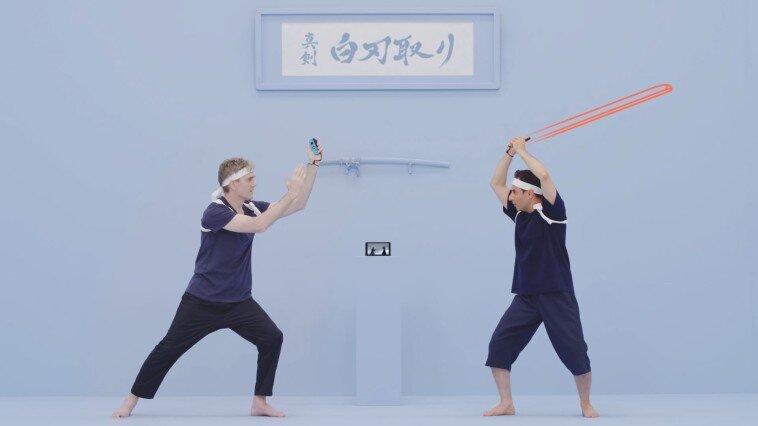
There are examples out there where people have to work together, but 1-2-Switch shows us just how well digital can be leveraged to bring people’s eyes up from their screens and make true face-to-face connections. Digital is with us for the long haul, but next time you are integrating it into an experience think about how to leverage the digital component to increase the quality of the face-to-face moments.
 Experiential Ideas